
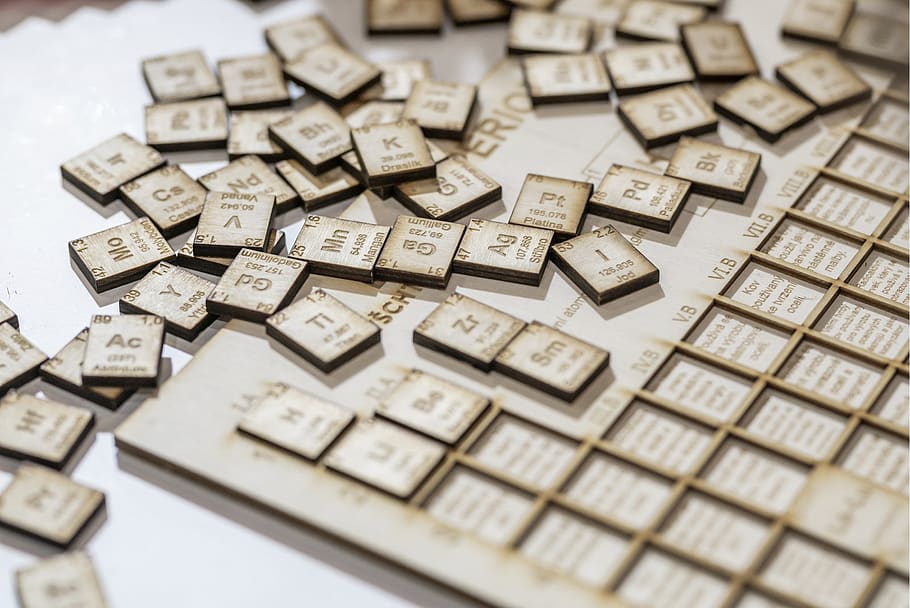
Archaeometry, or archaeological science, is broadly defined as the application of the sciences, engineering and maths to address archaeological questions and problems.
In our research program, we take a somewhat narrower approach in applying methods and techniques from the physical, chemical, biological, and earth sciences to understand the ecology and history of landscape use in the emaKhosini, how objects and structures were made and used, the diet and culinary preferences of the kingdom’s inhabitants, and to confront some dating issues.
Our Research
Historical records and ethnographic accounts provide rich sources describing major events and life in the kingdom. Things like pottery and stone tools and animal remains studied by archaeologists are useful for reconstructing how people subsisted, what their economy was like, and the social and political relations that underpinned food-getting strategies. However, objects, bone, teeth, and soils hold microscopic traces of past activities as well.
In our research, we are using some very specific methods to answer our questions about the political economy of the Zulu kingdom. These include using
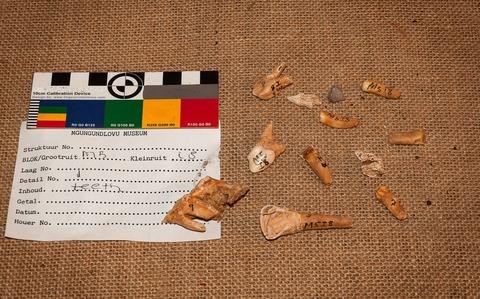
- heavy isotopes, like strontium, to examine livestock mobility, herding strategies, and practices such as cattle raiding;
- light isotopes, such as nitrogen, oxygen, and carbon, to learn more about the ground cover and ecology of the basin that would support a pastoral economy;
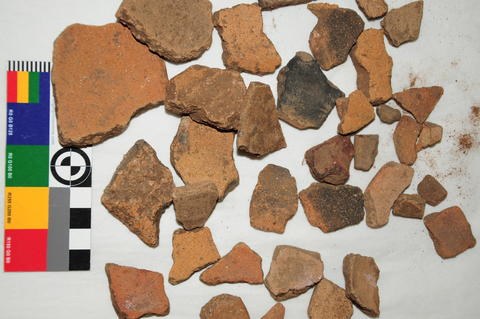
- major and trace element chemistry of pottery, beads, and metals to learn more about the sources used to make these objects and patterns of exchange within and outside the kingdom;
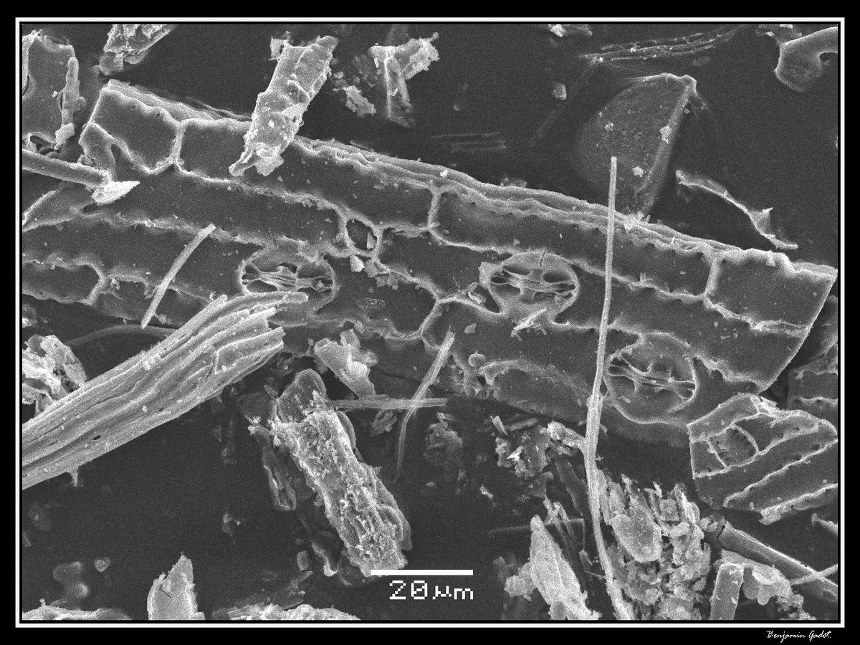
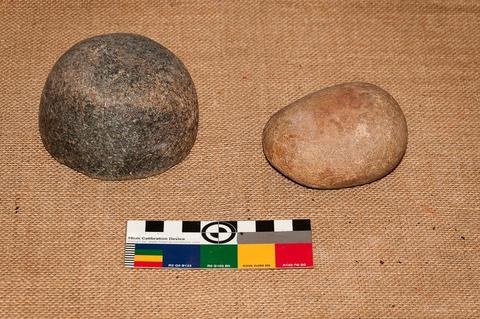
- phytoliths – the small silica bodies that make up plants – to identify the plants prepared on groundstones for food, and to test whether high concentrations in soils, in combination with other chemical characteristics, indicate the presence of cattle pens in suspected settlements;
- residues of fats, waxes, proteins and other organic compounds to identify traces of food and drink in pottery containers and learn about the function of objects, diet, subsistence practices, and ritual activities;
- thermoluminescence dating to examine when pottery was fired and hearths were last used, thereby providing an independent means of assessing the relative age of historically recent features and settlements across the emaKhosini.
Thus far, we have produced two archaeometry studies: the first on ceramic provenience using sherds and daga (building clay) from the three excavated king’s capitals and a second study on the mobility of cattle using strontium isotope analysis of teeth from Dingane’s capital at uMgungundlovu (see Publications).
Our new efforts will expand on these studies and continue analyzing remains from previous excavations of king’s capitals alongside new finds.


Research Team
Mostafa Fayek, Co-Director, Archaeometry Team Lead
Mostafa is currently Professor of Geological Sciences, Director of the Earth Materials and Archaeometry Centre, and a Co-Director of the Manitoba Isotope Research Facility at the University of Manitoba. He previously held the prestigious Canada Research Chair in Environmental and Isotope Geochemistry (2006-2016) at the University of Manitoba. While Mostafa’s research has long focused on the characterization of uranium, beryllium and gold deposits, he has maintained a long-standing interest and research record in applying geochemical and mineralogical approaches to archaeological provenience research for turquoise, quartz, and ceramics. Fowler and Fayek have collaborated on ceramic characterization research in southern Africa for more than a decade.
Archaeometry Team
The Archaeometry Team brings together specialists and their students from Canada, the United States, and South Africa to provide an unprecedented concerted application of the archaeological sciences to an historical state in southern Africa.
Ceramic characterization
Mostafa Fayek (Manitoba), Kent D. Fowler (Manitoba)
Strontium isotopes
Elizabeth Arnold (Grand Valley State), Norman Halden (Manitoba), Panseok Yang (Manitoba)
Nitrogen, Oxygen and Carbon isotopes
Elizabeth Arnold (Grand Valley State), Mostafa Fayek (Manitoba)
Lipid Biomarkers
Matthew Boyd (Lakehead)
Phytolith analysis
Joshua van Schalkwyk (KwaZulu-Natal)
 Zulu Kingdom Archaeology Project