
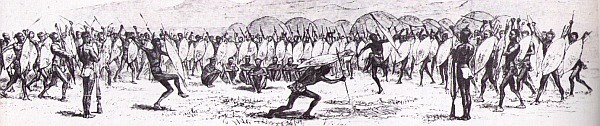
A combination of critical historiography and material culture studies bring new emphasis to the non-elite people in the kingdom and the roles of men, women, and children in pre-colonial Zulu society.
Our Research
Historical records, both written records and oral history, are the cornerstone of what is understood of the Zulu Kingdom. Our approach to the historical record in this project is inspired by a number of Zulu historians who promote an emphasis on peoples who have been ‘written out’ of history – the so-called ‘muted masses,’ in the words of Zulu historian Mbongiseni Buthelezi – that made up most of the kingdom.
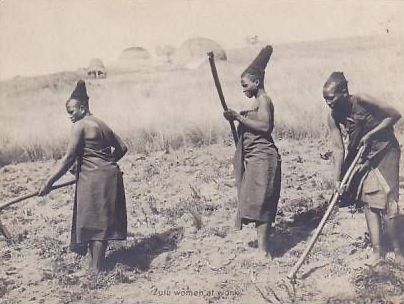
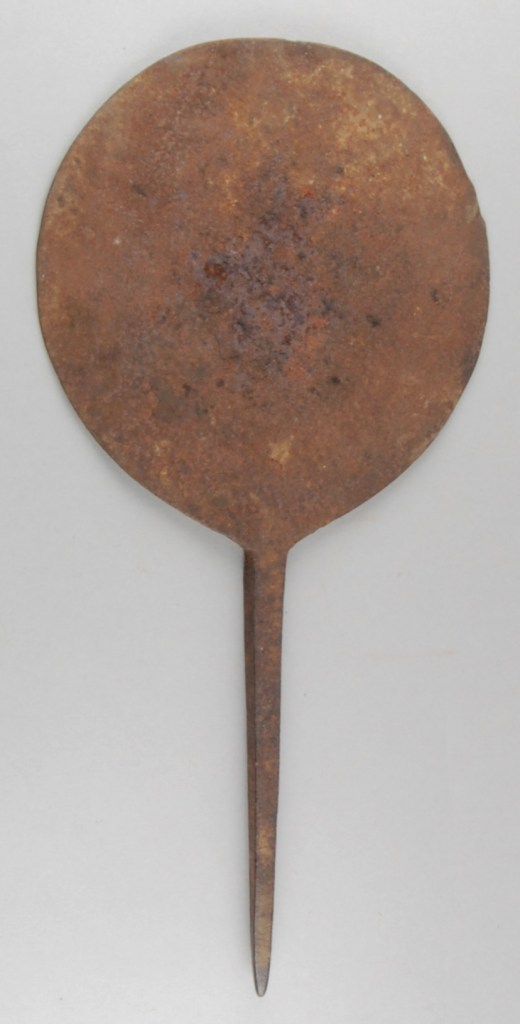
Just how does one capture the lives and views of people ‘written out’ of history? One approach available to the historian is critical literary and historical analysis of texts. A second is to continue documenting the knowledge and remembrances of history and landscapes held by descendant communities. Another is to incorporate the ‘things’ – the physical touchstones – used in the daily lives of the ‘unmentioned,’ such as iron hoes, pottery, tools of wood, basketry, clothing, and so forth. When combined, the total material record of Zulu history – texts and things – and the present-day knowledge of landscapes and places, open new lines of inquiry into the fundamental and nuanced aspects of living in the kingdom.
The recording of oral history is not the exclusive domain of historians. Rather, socio-cultural anthropologists, sociologists, and historians have long documented the oral traditions and practices of people globally. Likewise, the study of material things are not the exclusive domain of archaeologists. Although this is the primary evidence used by archaeologists, for which they have developed unique methods and bodies of theory to study them, material culture studies properly combines a diversity of approaches from history, art and art history, anthropology, archaeology, cultural geography, and science and technology studies.
The primary challenge to this unified approach is that many of these kinds of objects either do not, or only rarely, survive in the archaeological record, even over a short period of time. This is why what exists in museum archives and personal collections, and the work of present-day potters, weavers, beaders, and wood-workers, is so important. Viewed from the content of historical texts and the insights of present-day knowledge-keepers, the things of the past gain context, meaning, and significance.
The ZKAP History team is comprised of professional historians who bring a diverse set of approaches, knowledge, and expertise to the objectives of the project.
History Team
Steven Kotze, Lead
Steven is a Curator at the Durban Local History Museum and holds a Master’s in History of Art from the University of the Witwatersrand. Steven’s current project pivots on the study of iron field hoes for understanding precolonial metallurgy, horticulture, and women’s labour in Zulu and other nineteenth century societies in southeastern Africa. Steven’s contribution to the project is unique. He is one of the rare historians who holds command of a rich historical record and works towards deepening it by understanding the significance of once-common manual implements and how they can be incorporated into museum displays and education.
Collaborators in the History Team
The members of the History Team represent a diverse range of approaches to the historical record, including Joy Chadya’s inspired work on the power and role of women, John Laband’s encyclopaedic knowledge of the Zulu Kingdom, and the pioneering and innovative approaches of members of The 500 Year Archive, including noted Zulu historians Carolyn Hamilton, John Wright, and Mbongiseni Buthelezi.
Dr. Joyce Chadya, Associate Professor, Department of History, University of Manitoba
Professor John Laband, Professor Emeritus, Wilfrid Laurier University
The 500 Year Archive and FHYA housed at the University of Cape Town.
 Zulu Kingdom Archaeology Project